
Essential Features for Real Estate Websites
In today’s digital age, a strong online presence is crucial for real estate success. A well-designed website can be a game-changer. It serves as a virtual shopfront, showcasing properties and services.
Real estate website design is more than aesthetics. It involves functionality, user experience, and SEO. These elements work together to attract and retain visitors.
A professional website can set you apart from competitors. It builds trust and credibility with potential clients. This is essential in the competitive real estate market.
Mobile-friendly design is no longer optional. Many users browse properties on their phones. A responsive website ensures a seamless experience across devices.
Integrating the latest web design trends keeps your site modern. It enhances user engagement and satisfaction. This can lead to more enquiries and sales.
Real estate templates offer a cost-effective solution.
They provide a solid foundation for customisation. This saves time and resources in the design process.
SEO strategies are vital for visibility. They help your website rank higher in search results. This increases traffic and potential leads.
Ultimately, a well-crafted real estate website is an investment. It can drive growth and success in your business.
Why Real Estate Website Design Matters
In the real estate industry, first impressions matter. A website is often the first interaction potential clients have with your brand. A captivating design can keep them engaged.
Real estate website design plays a crucial role in marketing properties. It provides detailed information and visual appeal. The right design can convey professionalism and attention to detail.
A well-designed website enhances user experience. It should be intuitive and easy to navigate. Users should find what they need quickly, without frustration.
Consider the following reasons why design matters:
- Boosts credibility and trust.
- Improves conversion rates.
- Enhances accessibility across devices.
A seamless user experience can mean the difference between a lead and a lost opportunity. A visually appealing, functional site fosters trust with visitors. This can lead to more enquiries and conversions.
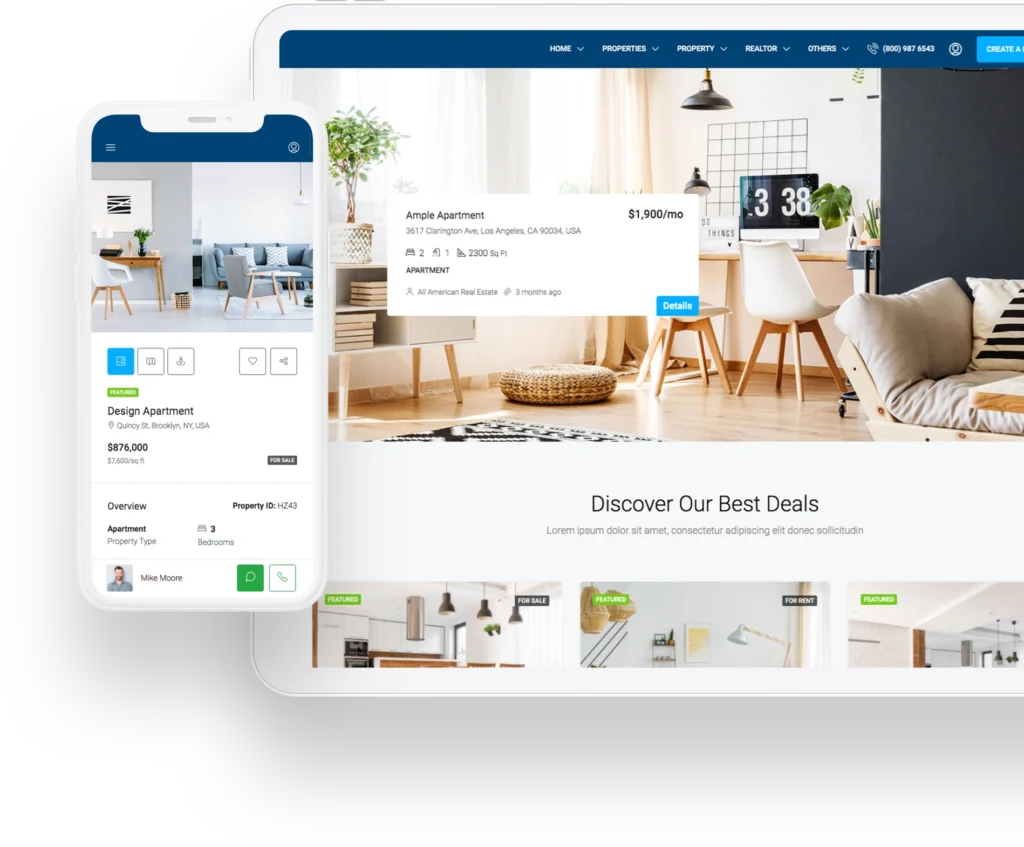 In today’s competitive market, a robust web design can be your edge. It showcases your properties in the best light. Ultimately, it helps grow your business.
Core Elements of Effective Real Estate Website Design
An effective real estate website relies on several core elements. These elements enhance user experience and drive engagement. They ensure potential clients find the information they need.
First, a responsive design is crucial. Most users browse on mobile devices, so your site should work seamlessly across all screen sizes.
This ensures accessibility and maximises user engagement.
Navigation is another key element. It should be intuitive, allowing users to quickly access property listings, contact details, and services. Poor navigation can drive visitors away.
High-quality visuals make a significant impact. Professional photos and virtual tours create a vivid experience. They help potential buyers visualise properties and make informed decisions.
Consider these essential elements for a successful design:
- Fast loading times improve user retention.
- A clean, organised layout enhances readability.
- Clear call-to-action buttons guide user interactions.
Search functionality must be robust and effective. Visitors should easily filter properties by location, price, and features. A quick, efficient search keeps potential buyers engaged longer.
SEO-optimised content plays a pivotal role.
It’s vital for visibility in search engine results. Keywords should be strategically placed without compromising readability.
Finally, the content management system (CMS) should be user-friendly. It allows easy updates and management of listings. A flexible CMS ensures content stays fresh and relevant.
Each of these elements contributes to a cohesive user experience. They help build a reputable online presence. An effective design that incorporates these aspects can lead to increased enquiries and sales.
Must-Have Features for Modern Real Estate Websites
A modern real estate website needs features that cater to today’s tech-savvy users. These features enhance usability and foster engagement. They differentiate your site from competitors.
Start with a property listings section that updates in real-time. IDX integration ensures listings are current. This keeps potential buyers well-informed and satisfied.
Virtual tours bring properties to life online.
They offer users a comprehensive view without needing to visit in person. This saves time and generates genuine interest.

by Walls.io (https://unsplash.com/@walls_io)
Lead generation is crucial for capturing potential clients. Incorporate forms and clear call-to-action buttons. Prompt responses demonstrate professionalism and build trust.
Consider integrating third-party tools for added functionality. These might include:
- Mortgage calculators for assessing affordability.
- Interactive maps for checking property locations.
These tools provide additional value to users, enhancing their experience.
Social media integration is vital. It boosts visibility and drives traffic to your site. Users can easily share listings, expanding your reach.
Fast and intuitive search functionality is another must. Users should quickly find listings that match their preferences. Tailored search results enhance satisfaction and engagement.
High-quality visuals significantly impact perceptions. Ensure all images are clear and professional. They should highlight key property features effectively.
Think about including comprehensive neighbourhood guides. These resources:
- Provide insights about areas around the properties.
- Help users make informed decisions.
Client testimonials and reviews add credibility. Prospective clients trust recommendations from past buyers. Displaying these prominently builds confidence.
By incorporating these must-have features, your real estate website can effectively engage users and boost conversions. A modern, well-equipped site helps sustain interest and encourages enquiries, leading to greater success in a competitive market.
Leveraging Real Estate Templates for Fast, Professional Results
Real estate templates offer a quick and effective solution for website design. They cater to businesses wanting an attractive online presence without the hassle of starting from scratch.
Templates provide a blueprint that balances aesthetics and functionality. Opting for a template streamlines the design process while still allowing for customisation. This ensures your site reflects your unique brand identity.

by Agefis (https://unsplash.com/@agefis)
Cost-effectiveness is a significant advantage of using templates. They reduce the need for expensive bespoke development. This allows funds to be allocated to other marketing strategies, such as SEO.
When selecting a template, consider the following factors:
- Ease of customisation and scalability
- Built-in SEO features for better visibility
- Integration capabilities with IDX and other tools
Templates also often come with responsive design features. This means your website will look great on all devices. It further enhances user experience, ensuring visitors remain engaged regardless of how they access your site. By leveraging templates, you can create a polished and functional property website efficiently, keeping your project on time and within budget.
Web Design Trends Shaping Property Websites
Keeping up with web design trends is vital for a competitive edge. Modern aesthetics and functionality can set your website apart. These trends ensure a fresh and appealing online presence.
Minimalism continues to dominate web design. Clean lines and simple layouts improve user focus. Removing clutter enhances navigation and improves overall user experience.

by Gigin Krishnan (https://unsplash.com/@giginkrishnan)
Another notable trend is the use of bold typography. Eye-catching fonts help important information stand out. This draws attention and effectively conveys key messages.
Interactive content is gaining traction as well. It provides a dynamic experience that engages users more. This can include hover effects or clickable elements that provide additional details.
Trends to incorporate in real estate website design include:
- Minimalistic and clean design
- Bold and distinctive typography
- Interactive and dynamic elements
- High-quality, full-screen visuals
By staying abreast of these trends, real estate businesses can create a contemporary site. Such a website not only attracts visitors but keeps them engaged, facilitating conversions. Integrating the latest design trends ensures your site remains relevant and impactful.
Real Estate SEO: Boosting Visibility and Traffic
Real estate SEO is essential for enhancing online visibility. A well-optimised website attracts more visitors and potential clients. Proper SEO strategies are crucial for achieving this.
Effective keyword research is the starting point for real estate SEO. Identify search terms your audience uses. Incorporate these strategically throughout your content.
SEO-friendly content ensures your site ranks higher on search engines. Aim for valuable, informative, and engaging content. This not only boosts rankings but builds trust with visitors.
Link building is another important factor. Build a network of quality backlinks. These links enhance authority and drive traffic to your site.
SEO strategies to implement include:
- Keyword research and optimisation
- Creating engaging and informative content
- Building high-quality backlinks
- Optimising meta tags and descriptions
- Improving website loading speed
Local SEO helps target clients in specific locations. Optimise for local keywords, and set up a Google My Business profile. This strategy enhances visibility within your targeted area.
On-page optimisation also plays a role. Ensure your website is mobile-friendly and has quick load times. This leads to better user experiences and improved rankings.
By employing these SEO practices, your real estate website can gain more traffic and visibility. This ultimately results in increased lead generation and potential sales.
Enhancing User Experience: Navigation, Search, and Personalisation
User experience is vital for the success of any real estate website. Visitors should find information quickly and easily. Smooth navigation ensures they stay longer.
Intuitive menus and clear categories are crucial for navigation. Users prefer simple layouts. They should be able to locate properties and information with minimal clicks.

by Erik Mclean (https://unsplash.com/@introspectivedsgn)
Search functionality is a must-have. Advanced search options help users filter properties by their preferences. Quick access to desired listings improves user satisfaction.
Personalisation features enhance engagement. Allow users to save searches and set property alerts. These tools keep users connected and interested.
Key strategies for improving user experience:
- Implement intuitive navigation menus
- Offer advanced search filters
- Provide personalised property alerts
- Utilise clear and descriptive headings
- Maintain consistent and logical page layouts
By focusing on user experience, your website not only attracts more visitors but also retains them. Effective navigation, search, and personalisation are key components. They ensure visitors have a positive and efficient experience on your site.
Integrations and Tools: IDX, CRM, and More
Integrations play a significant role in enhancing the functionality of real estate websites. IDX (Internet Data Exchange) is essential for displaying up-to-date property listings. It automatically updates, ensuring users have access to the latest information.
Incorporating CRM systems streamlines client management. It allows estate agents to track leads and follow up efficiently.
This integration leads to better customer relationships and increased sales.
Additional tools can significantly enhance the user experience. For example, mortgage calculators aid in financial planning. These tools provide users with valuable insights directly on your site.
Consider integrating these key tools:
- IDX for real-time listings
- CRM for efficient lead management
- Mortgage calculators for planning
- Social media plugins for wider reach
By choosing the right integrations, you ensure that your website is not only informative but also interactive and engaging. These tools make managing properties and clients more efficient.
Building Trust: Testimonials, Reviews, and Agent Profiles
Trust is crucial in property dealings. Featuring testimonials and reviews can significantly boost credibility. Positive client experiences reassure potential buyers.
Agent profiles add another layer of trust. They showcase the expertise and professionalism of your team. Providing backgrounds, specialities, and achievements helps personalise the experience.
Including the following elements can enhance trust:
- Client testimonials with specifics
- Detailed reviews with ratings
- Comprehensive agent profiles
By highlighting these features, you demonstrate transparency and reliability. It fosters confidence in your services, encouraging prospects to engage further with your offerings.
Legal, Security, and Accessibility Essentials
In today’s digital world, security is non-negotiable. Real estate websites must prioritise data protection and user privacy. Implementing SSL certificates helps secure communications.
Equally important is legal compliance. Ensure your website adheres to data protection laws like GDPR.
Displaying privacy policies and terms of service clearly is crucial.
Accessibility cannot be overlooked. Websites should cater to users with disabilities. This includes features like alt text for images and keyboard-navigable menus.
Consider these essential components:
- SSL certificates for secure connections
- Visible privacy policy and terms of service
- Accessibility features for all users
Addressing these elements ensures your website is secure, legally compliant, and inclusive for everyone.
Future-Proofing Your Real Estate Website
Websites should be built with an eye towards the future. Design your real estate website to adapt to evolving needs and technology. This requires a flexible and scalable architecture.
Anticipating growth ensures your website remains relevant and efficient. Incorporate elements that support scalability, like modular design and cloud hosting.
Key considerations include:
- Scalable website architecture
- Modular design elements
- Cloud hosting options
By planning ahead, you ensure your website remains functional and competitive in the long term.
Conclusion: Creating a Real Estate Website That Delivers Results
Crafting a successful real estate website demands attention to detail and a focus on essential features. By integrating user-centric designs and staying abreast of web design trends, your site will engage visitors effectively.
Prioritise elements like SEO, seamless navigation, and personalisation to enhance user experience. Ensure your website reflects professionalism and credibility to convert visitors into clients. With the right strategies, your real estate website can deliver exceptional results and drive your business forward.
